Guided imaging
The phone records consistent facial images for comparison over time.

A formulation begins with ingredients. Delivery depends on what happens when that formulation meets the skin: the barrier, the payload, the interface, and the conditions of the session.
The stratum corneum is the principal barrier to topical transport. Molecular size, charge, formulation, and surface conditions all influence the delivery event.
Surface concentration alone does not establish where a payload travels or how much reaches a particular layer. Application and deposition are different questions.
The formula is only half the system.
PDRN consists of DNA-derived polymer fragments. Their size, hydrophilicity, and charge make the conditions of application especially important.
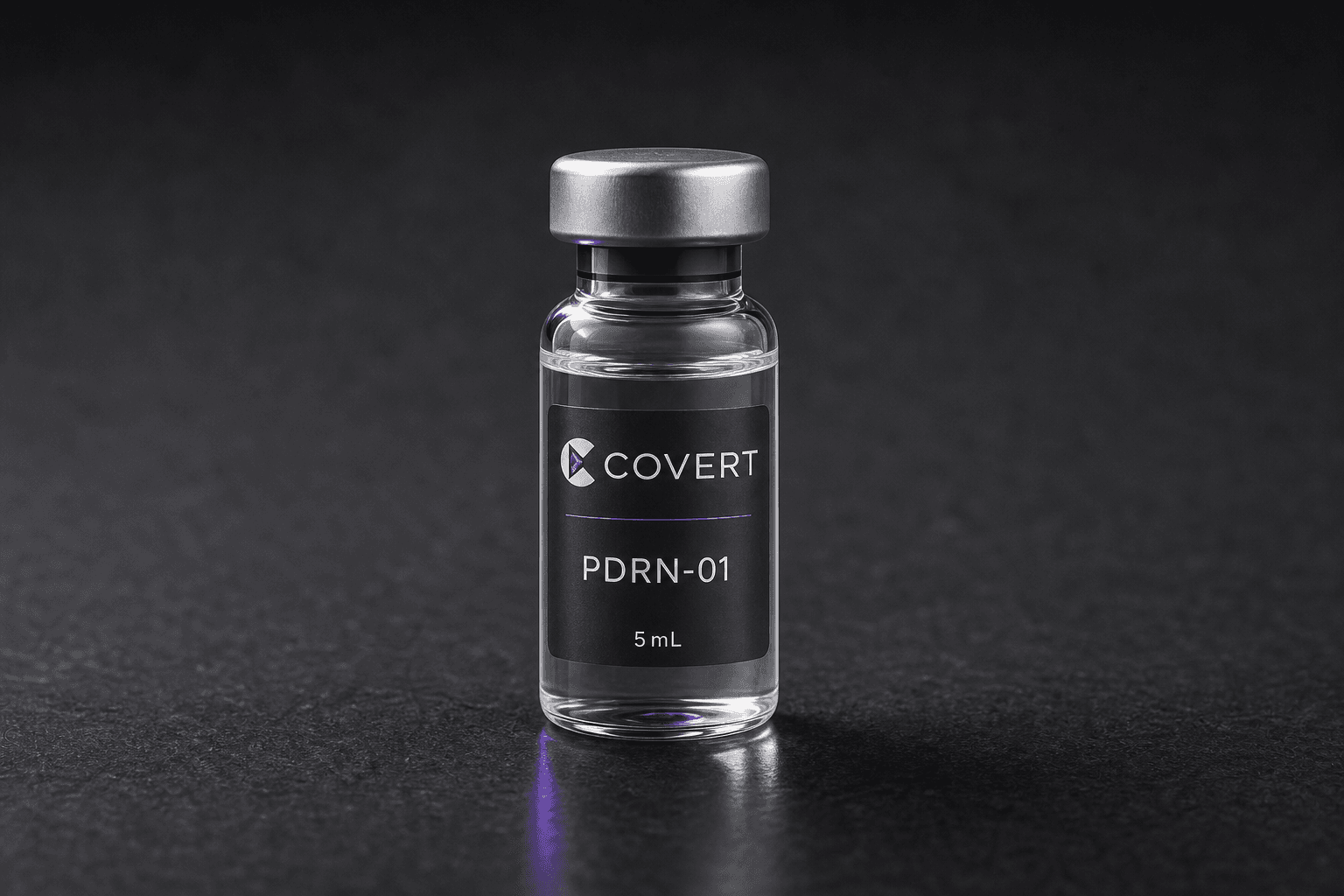
PDRN-01 pairs a defined payload with a defined AXIS session so the formulation and instrument operate as one system.
The phone records visible facial appearance through guided imaging. AXIS measures local interface conditions before and during each session. Imaging follows visible change. Interface sensing supports controlled operation. Completed sessions connect both views through a personal history built over time.
The phone records consistent facial images for comparison over time.
AXIS monitors local contact, electrical, and thermal conditions around the treatment surface.
Live interface signals help maintain operation within the protocol's defined limits.
Completed sessions and periodic imaging create a connected record of use and visible change over time.
Visual imaging and interface measurements remain distinct signals. Together, they create a more complete record without asking either measurement to stand in for the other.
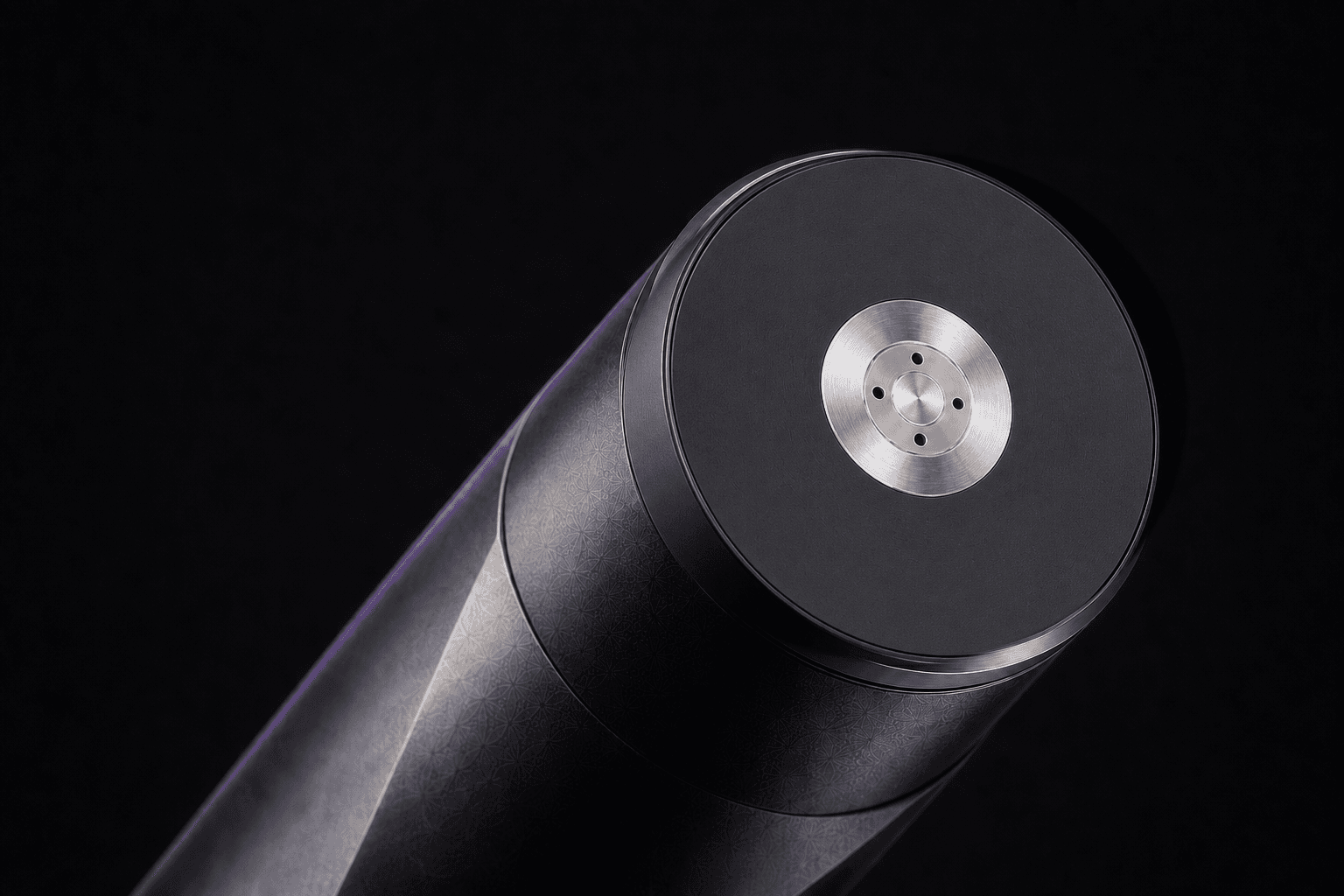
The treatment head coordinates payload application, controlled operation, guidance, and sensing in a single interface.
Establishes repeatable placement for a controlled session.
Applies the compatible formulation in sequence.
Runs the selected protocol while monitoring interface conditions.
Coordinates preparation, timing, pauses, and completion.
A session record shows how AXIS operated. Direct physical testing establishes payload deposition. Controlled human evaluation establishes tolerability and cosmetic outcomes. Each layer answers a different question.
Did AXIS run as intended? Contact, electrical and thermal conditions, programmed phases, and session completion.
Where did the payload go? Recovered quantity measured across sampled skin layers through direct physical testing.
What followed? Tolerability and cosmetic outcomes evaluated under a defined protocol.
These studies inform the scientific basis and design of AXIS. They do not establish AXIS-specific performance.