Interchangeable attachments promise flexibility. They also create more joints, tolerances, electrical contacts, cleaning boundaries, storage decisions, and opportunities for the wrong part to be used at the wrong moment.
AXIS takes the opposite position: sensing, controlled operation, payload application, guidance, geometry, and cleaning should be designed as one system.
Fewer physical choices allow the instrument to assume more responsibility.
Against the attachment drawer
A drawer of heads transfers product complexity to the owner. Every attachment must be identified, stored, cleaned, electrically connected, and eventually replaced. More physical options do not necessarily create more control.
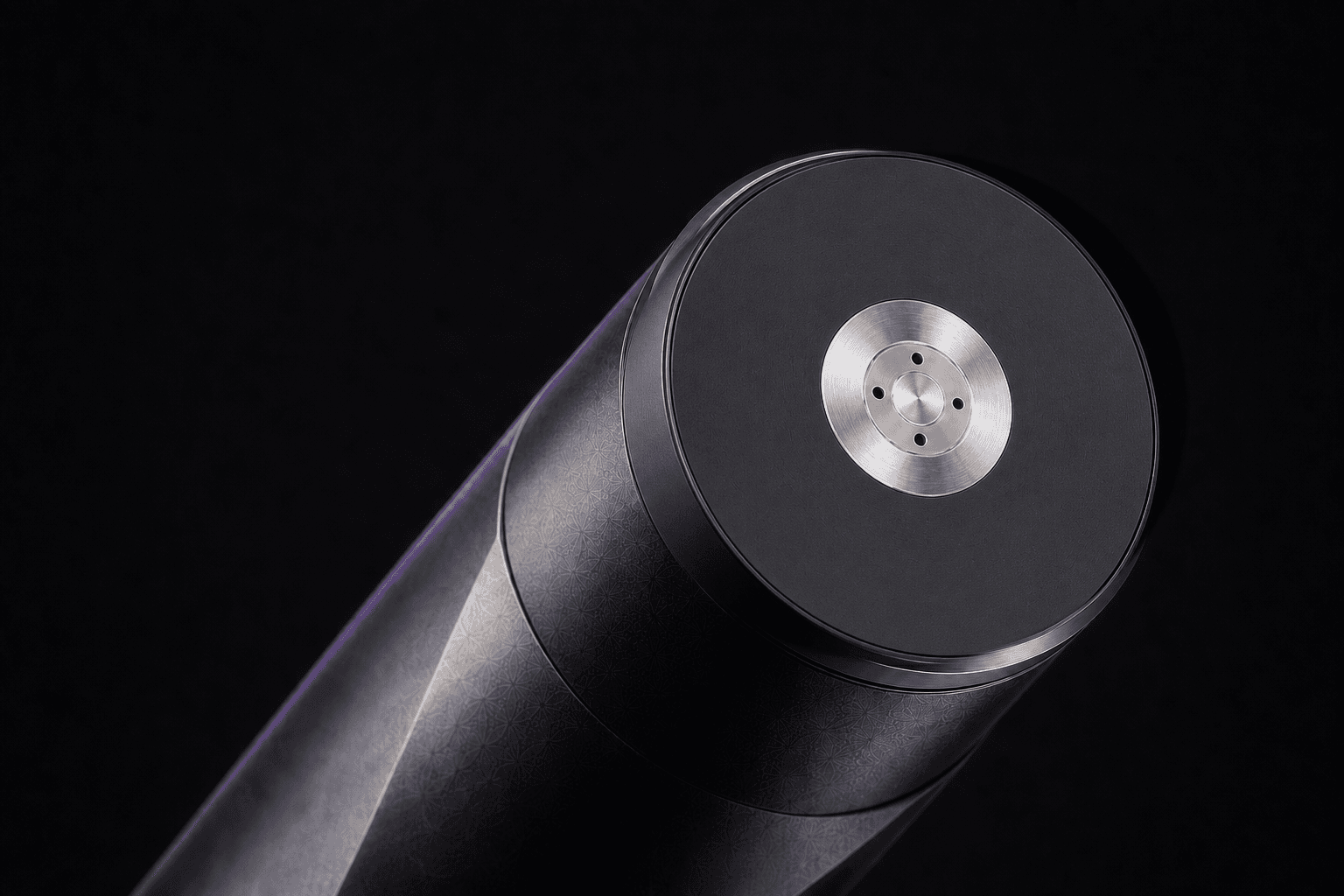
One multifunctional interface allows calibration, contact behavior, and cleaning procedures to be developed around one known geometry.
Variation belongs elsewhere
Protocol variation belongs in defined payloads and software. Those layers can change timing, release, guidance, and operating conditions without asking the physical instrument to become a collection of parts.
Ownership is part of the engineering
An integrated head raises the standard for durability and serviceability. It must tolerate repeated contact, cleaning, transport, and daily handling while preserving the electrical and fluidic boundaries that define the session.